Understanding Dysautonomia and the Importance of Nervous System Health
Learn about dysautonomia, common symptoms, and how chiropractic care may support nervous system health and spinal function naturally.
Understanding Dysautonomia and the Importance of Nervous System Health
Dysautonomia is a condition that affects the autonomic nervous system, which controls many automatic functions in the body such as heart rate, blood pressure, digestion, and temperature regulation. Many people experiencing symptoms of dysautonomia seek natural approaches to support nervous system health and improve overall function.
What Is Dysautonomia?
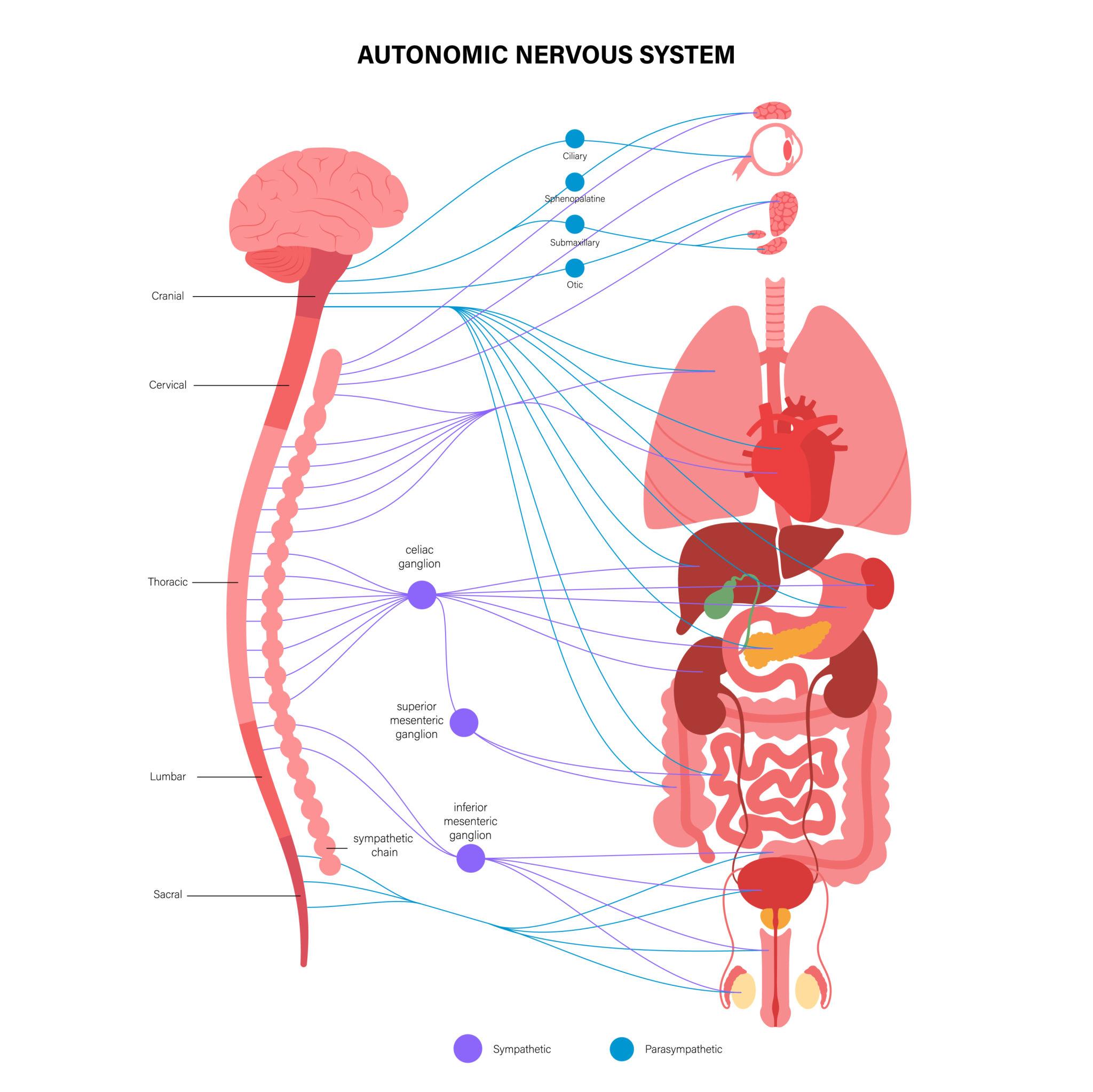
Dysautonomia is an umbrella term used to describe disorders of the autonomic nervous system. The autonomic nervous system controls functions in the body that occur automatically without conscious effort.
These functions include heart rate, breathing, blood pressure, digestion, circulation, sweating, temperature regulation, and many other essential processes.
When the autonomic nervous system is not functioning properly, the body may have difficulty regulating these systems effectively.
Many people living with dysautonomia experience symptoms that can significantly affect daily life and overall wellbeing.
Common Symptoms of Dysautonomia
Symptoms of dysautonomia can vary greatly from person to person depending on which parts of the autonomic nervous system are affected.
Common symptoms may include:
• Dizziness or lightheadedness
• Fatigue
• Rapid heart rate
• Difficulty regulating body temperature
• Brain fog
• Digestive issues
• Headaches
• Fainting or near fainting episodes
• Exercise intolerance
• Shortness of breath
• Sleep disturbances
• Anxiety like symptoms
Some individuals may notice symptoms worsen when standing up quickly, during periods of stress, after illness, or during physical exertion.
One commonly discussed form of dysautonomia is Postural Orthostatic Tachycardia Syndrome, often referred to as POTS.
The Role of the Nervous System
The nervous system is responsible for coordinating communication throughout the body. The brain, spinal cord, and nerves constantly send signals that regulate vital functions.
The spine plays an important role because it protects the spinal cord, which acts as the primary communication pathway between the brain and body.
When the spine is not moving properly, it may place stress on surrounding tissues and affect nervous system function. Chiropractic care focuses on restoring movement to the spine and supporting healthy nervous system communication.
Research has shown that spinal adjustments influence brain function and nervous system activity. Studies by Dr. Heidi Haavik and others have demonstrated measurable neurological changes following chiropractic adjustments.
Stress and Nervous System Function
Stress can have a significant impact on the autonomic nervous system. Physical stress, emotional stress, poor sleep, illness, inflammation, and environmental stressors may all influence how the body regulates itself.
Many people with nervous system related conditions report that symptoms worsen during periods of increased stress or fatigue.
Supporting overall health habits such as sleep, hydration, movement, nutrition, and stress management may help the body function more efficiently.
Because the autonomic nervous system controls many systems throughout the body, small changes in nervous system function can have widespread effects.
Chiropractic Care and Dysautonomia
Chiropractic care does not treat or cure dysautonomia. However, many individuals seek chiropractic care as part of their overall wellness approach to support spinal movement and nervous system health.
Chiropractors focus on improving spinal mobility and reducing stress on the nervous system through gentle adjustments.
Proper spinal movement may help support the body's ability to adapt to physical and environmental stress.
Many patients report improvements in overall wellbeing, mobility, sleep quality, tension, and stress levels when maintaining healthy spinal function.
At Salt and Light Chiropractic in Post Falls, care is centered around helping individuals and families support healthy nervous system function and improve overall quality of life.
Supporting Nervous System Health Naturally
Maintaining a healthy nervous system often involves a combination of healthy habits and lifestyle choices.
Some important ways to support nervous system function include:
• Staying hydrated
• Prioritizing quality sleep
• Managing stress
• Regular movement and exercise
• Proper nutrition
• Maintaining spinal mobility
• Spending time outdoors
• Supporting overall physical and mental wellbeing
Every person experiences nervous system challenges differently, which is why individualized care and evaluation are important.
If you are experiencing symptoms related to nervous system dysfunction, it is important to consult with an appropriate healthcare provider for evaluation and guidance.
References
Haavik H, Murphy B. The role of spinal function and spinal manipulation in nervous system health. Journal of Neural Plasticity.
Goldstein DS. Dysautonomia in clinical practice. New England Journal of Medicine.
Benarroch EE. The autonomic nervous system and its disorders. Neurology Journal.
Supporting Families in Post Falls
At Salt and Light Chiropractic, we are passionate about serving growing families in Post Falls and the surrounding communities. Whether you are newly pregnant, preparing for birth, or navigating postpartum recovery, our heart is to provide hope, encouragement, and gentle chiropractic care for your family.
If you have questions about chiropractic care during pregnancy or would like to schedule an appointment, we would love to connect with you.
We proudly serve families from:
Post Falls
Coeur d’Alene
Hayden
Rathdrum
Liberty Lake
Spokane Valley
Our office is located at:
724 N Highway 41 Suite C
Post Falls Idaho 83854
📞 (208) 432-9123 or Book Online
If you are interested in learning more about chiropractic care for children, our team would be honored to answer your questions.